
Choosing the right AC installation company is one of the most important decisions you’ll make when upgrading your home’s comfort. A professional, high-quality installation ensures your system runs efficiently, safely, and reliably for years to come. To feel confident in your decision, it helps to understand what to expect during AC installation. This article will serve as a step by step guide for homeowners looking to understand how to install a heating and air conditioning unit.
HVAC installation is a complex process that often requires extensive knowledge of heating, ventilation, and air conditioning systems. Before installing a new unit, it is necessary to safely remove the old system, which includes proper refrigerant handling by EPA-certified personnel, as only they can remove, handle, and dispose of refrigerant, which can be toxic and must not be vented into the open air. Installing an air conditioning unit can be complicated, especially when it comes to the proper handling of refrigerants, which are toxic and must only be removed, handled, and disposed of by EPA-certified personnel. While DIY installation can save on labor costs, it may take longer, require specific certifications, and can void manufacturer warranties due to improper setup. Professionals can obtain the necessary permits for HVAC installation, making the process smoother, whereas DIY installation requires knowledge of local building codes and regulations, which can be complex. Improper installation can lead to increased energy costs and decreased comfort in the home. The tools required for HVAC installation range from basic hand tools to highly specialized equipment for diagnostics and refrigerant handling, making specialized equipment essential for both safety and compliance. Refrigerant handling tools such as manifold gauge sets, vacuum pumps, and electronic refrigerant scales are required for proper installation.
At Creative Comfort Solutions, we help homeowners in Springfield, PA stay cool with expert AC installation services backed by trust, experience, and local knowledge. When considering professional installation and compliance, it is crucial to follow the manufacturer’s installation manual for safety, correct assembly, and optimal system performance.
How do you install a heating and air conditioning unit?
- Determine the correct system size with a professional load calculation
- Prepare the installation site and remove any existing equipment
- Install or update ductwork and mounting hardware for both units
- Connect refrigerant lines, electrical wiring, thermostat, and drains
- Test the system for proper operation and airflow
- Schedule a professional inspection and system tune-up
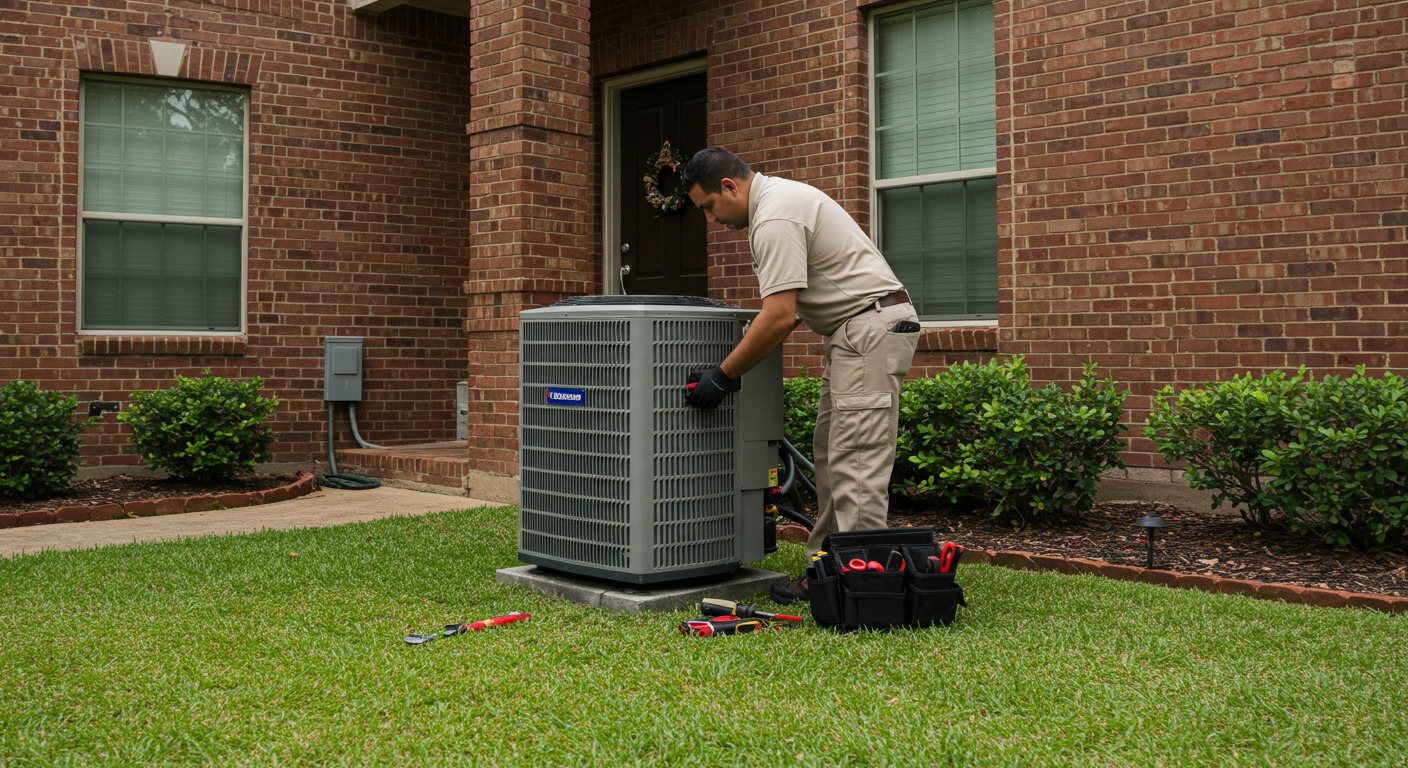
Introduction to Air Conditioner Installation
Air conditioner installation is a critical process that goes far beyond simply placing a new unit in your home. It requires careful planning, precise execution, and strict adherence to safety protocols to ensure your air conditioning system delivers reliable, efficient cooling for years to come. After installation, it is essential to follow the air conditioning process, which involves initiating and verifying the proper operation of the system to ensure optimal performance and validate the warranty. Whether you’re considering a central air conditioner, a mini split system, or another type of air conditioning, choosing the right system for your space is essential for comfort and cost savings. During the cooling process, moisture is produced as air passes over the evaporator coil and must be removed from the home through the condensate drain system to maintain comfort and prevent water damage. A properly installed air conditioner not only keeps your indoor environment cool and comfortable but also helps reduce energy costs and supports the long-term health of your HVAC system. In this guide, we’ll walk you through the key steps and considerations for a successful air conditioner installation, so you can make informed decisions and enjoy the benefits of cool air all summer long. A proper load calculation is also crucial to determine the correct size of the HVAC unit based on your home’s square footage, insulation, and layout.
Pre-Installation Preparation
Before your new air conditioner is installed, thorough preparation is essential to ensure everything goes smoothly. The installation team will start with a site evaluation, where a technician inspects your home to assess the best placement for indoor and outdoor units, evaluates existing ductwork, and gathers data on electrical capacity, airflow, and structural considerations. The team will then inspect your existing ductwork to confirm it’s in good condition and compatible with the new system. They’ll also check all electrical connections to make sure they meet safety standards and are ready to support the new air conditioner, verifying compatibility with the existing power supply for safe and efficient operation.
Evaluating the best locations for both the outdoor condenser and the evaporator coil inside is crucial for optimal performance and airflow. When selecting a base for the outdoor condenser, consider using a composite pad instead of a concrete pad, as composite pads offer better vibration absorption, durability, and ease of maintenance compared to concrete, which can crack or shift over time. For the indoor coil, proper distance and positioning within the supply plenum are essential, placing the coil at the correct height above the furnace heat exchanger ensures optimal airflow and prevents issues like melting the drain pan or ice formation.
Additionally, it’s important to secure any necessary permits and approvals in accordance with local building codes before work begins. All mechanical work in Philadelphia requires a Mechanical Permit from the Department of Licenses and Inspections. Philadelphia HVAC installations require climate-specific load calculations due to colder winters, and humidity control is vital for HVAC systems in the city’s intensely humid summers, necessitating accurate load calculations. New HVAC installations in Philadelphia must also meet a minimum efficiency standard of 14 SEER (Seasonal Energy Efficiency Ratio). By taking these preparatory steps, you can avoid unexpected delays, ensure compliance, and set the stage for a seamless air conditioner installation.
Removing the Old Air Conditioner Condenser
Removing the old air conditioner condenser is a vital first step in the air conditioning installation process. Before any work begins, the power to the outdoor unit must be completely shut off at the circuit breaker to ensure safety. An experienced HVAC technician will then carefully disconnect the refrigerant lines from the air conditioner condenser, taking care to cap the lines immediately to prevent any refrigerant leaks. All electrical connections are safely detached, following local building codes to avoid hazards. Once everything is disconnected, the condenser is gently lifted off its pad and removed from the property. This process requires specialized knowledge and equipment to handle refrigerants safely and to avoid damaging the surrounding area. Relying on a professional ensures that the removal is performed in compliance with all safety regulations and environmental standards, setting the stage for a smooth air conditioning installation.
Installing the Central Air Conditioner
With the old unit removed, the installation of the new air conditioner begins. The new air conditioner condenser is positioned on a stable, level pad, either concrete or composite, to ensure proper operation and longevity. Next, the refrigerant lines are carefully connected to the service valve, and all electrical connections are made according to the manufacturer’s specifications and local building codes. Low voltage wiring is run to the thermostat, allowing for precise control of your central air system. The HVAC technician will also connect the condensate drain line to a floor drain or condensate pump, and install a safety overflow switch to protect your home from potential water damage. Before the system is started, a preliminary leak test is performed to ensure the refrigerant lines are sealed and the system is leak-free. This thorough approach guarantees that your new air conditioner is installed properly, operates efficiently, and delivers reliable cool air throughout your home.
Electrical and Controls for AC System
Proper electrical setup is essential for safe and efficient air conditioning installation. The process starts with mounting a new service disconnect box near the outdoor unit, providing a safe way to cut power during maintenance or emergencies. High-voltage and low-voltage wiring are then connected, with all electrical connections made in strict accordance with the National Electrical Code and local building codes. The HVAC technician verifies that the maximum overcurrent protection is in place and that the circuit breaker is correctly sized for the new ac system. The thermostat is installed and wired to the furnace control board, ensuring seamless communication between your air conditioning unit and the rest of your HVAC system. After installation, the technician tests the system to confirm proper operation and calibrates the thermostat for accurate temperature control. This attention to detail ensures your air conditioner is safe, reliable, and ready to keep your home comfortable.
Ductwork and Ventilation for Central Air
Efficient ductwork and ventilation are key to maximizing the performance of your new air conditioner. During air conditioning installation, the HVAC technician inspects your existing ductwork to ensure it is properly sized, sealed, and configured for the new system. If needed, modifications are made or new ducts are installed to support optimal airflow. The air handler is then connected to the ductwork, and the entire ventilation system is tested to confirm that cool air is distributed evenly throughout your home. Proper sealing and insulation of the ducts help prevent energy loss and maintain consistent temperatures. The technician also checks that the ventilation system is set up to prevent moisture buildup, which can lead to mold or other issues. By ensuring your ductwork and ventilation are installed correctly, you’ll enjoy improved comfort, better air quality, and lower energy costs with your central air system.
Key Qualities to Look for in an AC Installation Company
Experience is one of the first things to consider. A company with a strong track record of successful installations is more likely to deliver dependable service. Look for technicians who are certified, licensed, and insured. These qualifications ensure that the team is prepared to handle refrigerant systems, electrical connections, and proper system sizing in accordance with safety regulations and building codes. A quality installer will also conduct a thorough site evaluation to assess the best placement for indoor and outdoor units, evaluate existing ductwork, and gather data on electrical capacity, airflow, and structural considerations.
Local expertise also plays a critical role. An HVAC contractor who understands the specific demands of Springfield’s climate can recommend and install systems that efficiently manage humidity and withstand seasonal temperature swings.
Clear and transparent pricing is another important factor. Be cautious of vague or overly generalized estimates. The best companies provide detailed, itemized quotes that break down the cost of labor, equipment, materials, and any additional services. Before any work begins, the necessary permits must be obtained, which often include mechanical, electrical, and gas permits. This level of transparency helps you budget accurately and avoid hidden fees.
The quality of equipment offered is closely tied to your system’s performance. A reputable AC installation company should offer high-efficiency models from trusted brands. These systems are not only more energy-efficient but can also result in long-term savings through lower energy bills and improved durability. Proper sizing and sealing of ducts are essential for HVAC system efficiency, and evaluating existing ductwork for size, layout, insulation, and leaks is critical. Once the equipment is in place, technicians address the ductwork, connecting the system to ensure proper airflow throughout the home.
Customer feedback is an excellent way to gauge the quality of service. Consistent positive reviews especially those that mention punctuality, professionalism, cleanliness, and follow-up are good signs that a company values customer satisfaction and delivers on its promises.
Finally, post-installation support should never be overlooked. A reliable installer will stand behind their work with a labor warranty and offer ongoing maintenance options to keep your system in top condition. These services help extend the life of your AC system and protect your investment, particularly if you catch early signs of ductless AC trouble.
Energy Costs and Efficiency
Energy efficiency is a top priority for anyone investing in a new air conditioning system. A well-installed air conditioner can make a significant difference in your monthly energy costs and overall environmental impact. The vacuum process is essential during installation, as it removes moisture and contaminants from refrigerant lines before charging the system, ensuring system reliability and efficiency. To maximize efficiency, it’s important to choose an air conditioner with a high SEER (Seasonal Energy Efficiency Ratio) rating and ensure the system is properly sized for your home or business. Insulating and sealing refrigerant lines during installation helps prevent energy loss and keeps your air conditioning system running at peak performance. Using an insulated cabinet for the evaporator coil also helps prevent ice formation and damage, further improving efficiency. Regular maintenance, such as cleaning filters and coils, is important, and the filter dryer and physical filtration play a crucial role in protecting the system from contaminants, moisture, and corrosion. By focusing on these factors, you’ll enjoy lower energy bills, a more comfortable indoor environment, and a longer-lasting air conditioning system. Proper installation of refrigerant lines is critical to avoid mixing oils from old and new systems, which can damage the new air conditioner, and if humidity control is a concern, a variable-speed system can be more effective in maintaining consistent temperatures and controlling moisture levels.
Air Conditioning Installation Safety
Safety is paramount during every stage of air conditioner installation. Professional installers follow strict safety protocols to protect both your property and themselves. This includes wearing appropriate personal protective equipment (PPE), ensuring all electrical connections are secure and up to code, and handling refrigerants with care to prevent leaks or exposure. When removing refrigerant from old units, a recovery tank is used in conjunction with a recovery machine to safely and legally remove refrigerant, ensuring proper refrigerant handling and environmental safety. Installers also follow manufacturer guidelines and industry standards for every step of the process, from mounting the unit on a stable, level surface to performing thorough system checks before startup. During brazing, heat protection such as heat-absorbing paste or wet rags is applied to safeguard sensitive components like the expansion valve and O-rings from heat damage. Licensed technicians handle all electrical and control connections, verifying proper circuit sizing, breakers, grounding, and code-compliant disconnects before connecting line- and low-voltage wiring. All electrical installations must comply with the National Electrical Code (NEC) to ensure safety and legality. By prioritizing safety, you can be confident that your air conditioner installation will be completed without incident and that your new system will operate reliably from day one.
Air Conditioning Installation Warranty and Support
A quality air conditioner installation should always be backed by a comprehensive warranty and responsive support. Leading manufacturers and installation companies offer warranties that cover parts, labor, and key components, giving you peace of mind against unexpected repairs. It’s also important to choose a company that provides ongoing support, including maintenance plans and priority service, to keep your air conditioning system running smoothly year after year. Extended warranties and dedicated customer service ensure that any questions or concerns are addressed promptly, so you can enjoy the full benefits of your new air conditioner with confidence. By partnering with a reputable installer, you protect your investment and ensure long-term comfort for your home or business.
Why Homeowners Trust Creative Comfort Solutions
With years of experience serving Springfield and the surrounding communities, Creative Comfort Solutions has earned a reputation for quality, integrity, and outstanding customer service. Our team combines advanced HVAC knowledge with a personalized, customer-focused approach. From the initial consultation and system selection to the final walkthrough and post-installation support, we make sure your experience is smooth, transparent, and rewarding. We install systems designed to perform reliably in our local climate and offer support for common ductless system problems.
A properly installed air conditioner can reduce energy consumption by 20% or more compared to one that is poorly installed or incorrectly sized.
Get it done right the first time book your AC installation with Creative Comfort Solutions today.
FAQs About Choosing an AC Installer
What questions should I ask before hiring an installer?
Ask about licensing and insurance, how long they’ve been in business, what brands they install, their warranty terms, and if they offer maintenance plans.
Should I compare quotes?
Yes. Comparing quotes is essential, but look beyond price. Consider the quality of equipment, scope of services, level of experience, and reputation.
Can I install a smart thermostat with my new AC?
Absolutely. We can integrate a smart thermostat with your new system to help you optimize energy use and increase convenience.
Do you offer financing?
Yes. Creative Comfort Solutions provides flexible financing options to help you manage your investment more comfortably.
Did You Know?
A properly installed air conditioner can reduce energy consumption by 20% or more compared to one that is poorly installed or incorrectly sized.
Get it done right the first time book your AC installation with Creative Comfort Solutions today.
 610-957-5080